Digital download only. No hardware included.
Not sure if Haven fits your region, skill level, or hardware budget?
Start with the Haven Readiness Checklist before buying:
https://buildwithparallel.com/pages/haven-readiness-checklist
Haven is a build guide for a private IP mesh radio that reaches kilometers on sub-GHz spectrum — the same class of capability military contractors charge $20,000 a unit for. You build it on a Raspberry Pi with Wi-Fi HaLow (802.11ah) for long-range connectivity, 802.11s/BATMAN-adv for self-healing mesh routing, and standard Wi-Fi so your phones and laptops just connect. Every layer of the stack is open source. Full parts list, flashing workflows, configurations, and field-tested deployment guidance included.
Core build cost typically ranges from $208–$450 per node depending on board selection, antenna choice, and configuration. A functional mesh requires at least two nodes.
What Haven Enables
• Build a high-performance IP mesh network using off-the-shelf components
• Configure self-healing Layer 2 routing with 802.11s + BATMAN-adv
• Integrate Wi-Fi HaLow for improved range and obstacle penetration
• Layer Reticulum (RNS) over your mesh for encrypted, identity-based networking
• Bridge multiple radio types (Wi-Fi mesh, HaLow, LoRa) into a unified backbone
• Integrate an optional internet uplink for backhaul
• Scale from two nodes to multi-node deployments
• For users working with AI coding assistants, the project includes an AGENTS.md file to give the assistant the context it needs to help set up and configure Haven faster.
What's New in Haven 2
The guide covers both the original Haven and the Haven 2 upgrade which introduces the enhancements below.
-
Raspberry Pi 5 — quad-core ARM at 2.4 GHz with up to 16GB of RAM
-
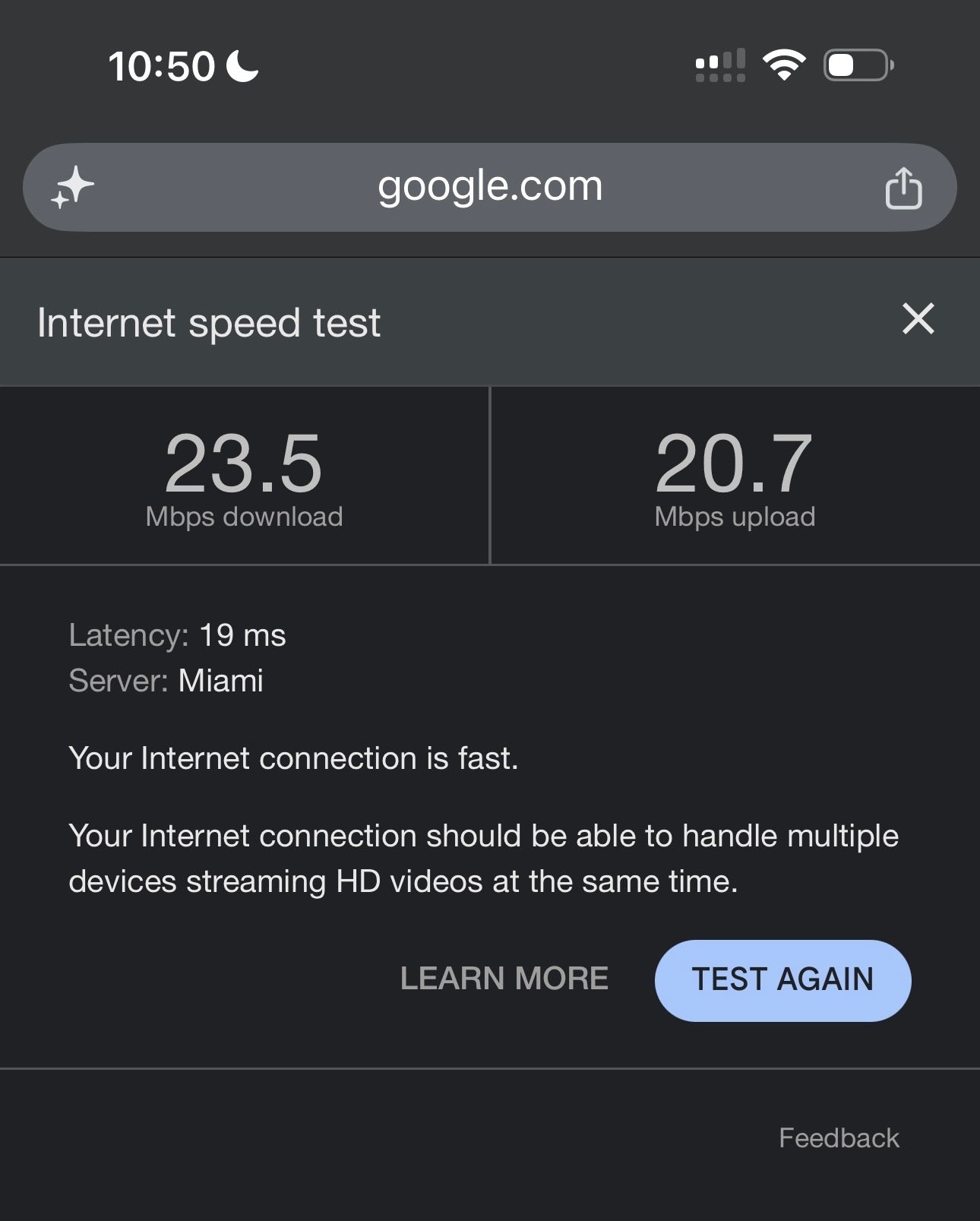
Morse Micro MM8108 — ~33% higher throughput over the MM6108 (up to 43.3 Mbps vs 32.5 Mbps), improved range and power efficiency
-
Upgraded battery system — Waveshare 4-cell hat instead of 2-cell, doubling power capacity in the field.
-
Mesh VPN — WireGuard and Tailscale built in for remote node management, compatible with Headscale for fully self-hosted control
-
LoRa sidecar — plug in a Meshtastic or Reticulum RNode board and the drivers are already there. Supports Heltec, RAK4631, Seeed Xiao, Walter, Muzi Works Base Duo, and Null Hop Mesh Toad out of the box
The guide includes structured flashing and configuration workflows for OpenWRT-based systems, helping reduce trial and error during setup.
RF configuration examples are provided for educational purposes. Users must ensure all transmit power, bandwidth, and frequency selections comply with local regulations.
Haven complements LoRa/Meshtastic by expanding beyond low-bandwidth messaging into full IP networking suitable for video, file transfer, and higher-throughput applications.
Commercial and enterprise mesh systems can cost thousands per unit. Haven provides a documented approach for building a locally managed mesh architecture using widely available hardware.
No required subscriptions. No mandatory cloud services. Fully locally managed networking.
You receive lifetime access to the digital manual and future updates.
Who It’s For
• Home lab builders and networking enthusiasts
• Rural property owners
• Technologists exploring decentralized infrastructure
• Entrepreneurs building open networking solutions
This guide is not a prebuilt device and not a plug-and-play solution. It is intended for users comfortable with configuration, flashing firmware, and troubleshooting.
Rebate Offer: Build Haven and earn back the purchase price as Parallel store credit. Details included in the guide.
Digital product delivered immediately after purchase.